How to Identify Osage Orange Wood (Maclura pomifera)
Osage Orange, Maclura pomifera: color, grain, end grain, Janka hardness (2,620 lbf) and weight, and how to tell it from Black Locust, quoted from the USDA Wood Handbook and The Wood Database.
At a glance
- Scientific name: Maclura pomifera
- Type: Hardwood
- Origin: South-central United States (native to Red River region, widely planted as hedgerows)
- Color: Heartwood golden to bright yellow, aging to a darker medium brown mainly from ultraviolet light exposure.
- Grain and texture: Grain is straight, with a fine to medium texture and high natural luster.
- End grain: Ring porous; large to very large earlywood pores 2-3 pores wide, small latewood pores in clusters and tangential bands; tyloses extremely abundant; growth rings distinct; narrow to medium rays visible without a lens; parenchyma vasicentric, lozenge, and confluent.
- Janka hardness: 2,620 lbf
- Other clue: No characteristic odor; shavings soaked in water release a water-soluble yellow dye, a distinguishing field test versus similar woods such as mulberry or black locust; sap has been reported to cause dermatitis.
What Osage Orange looks like
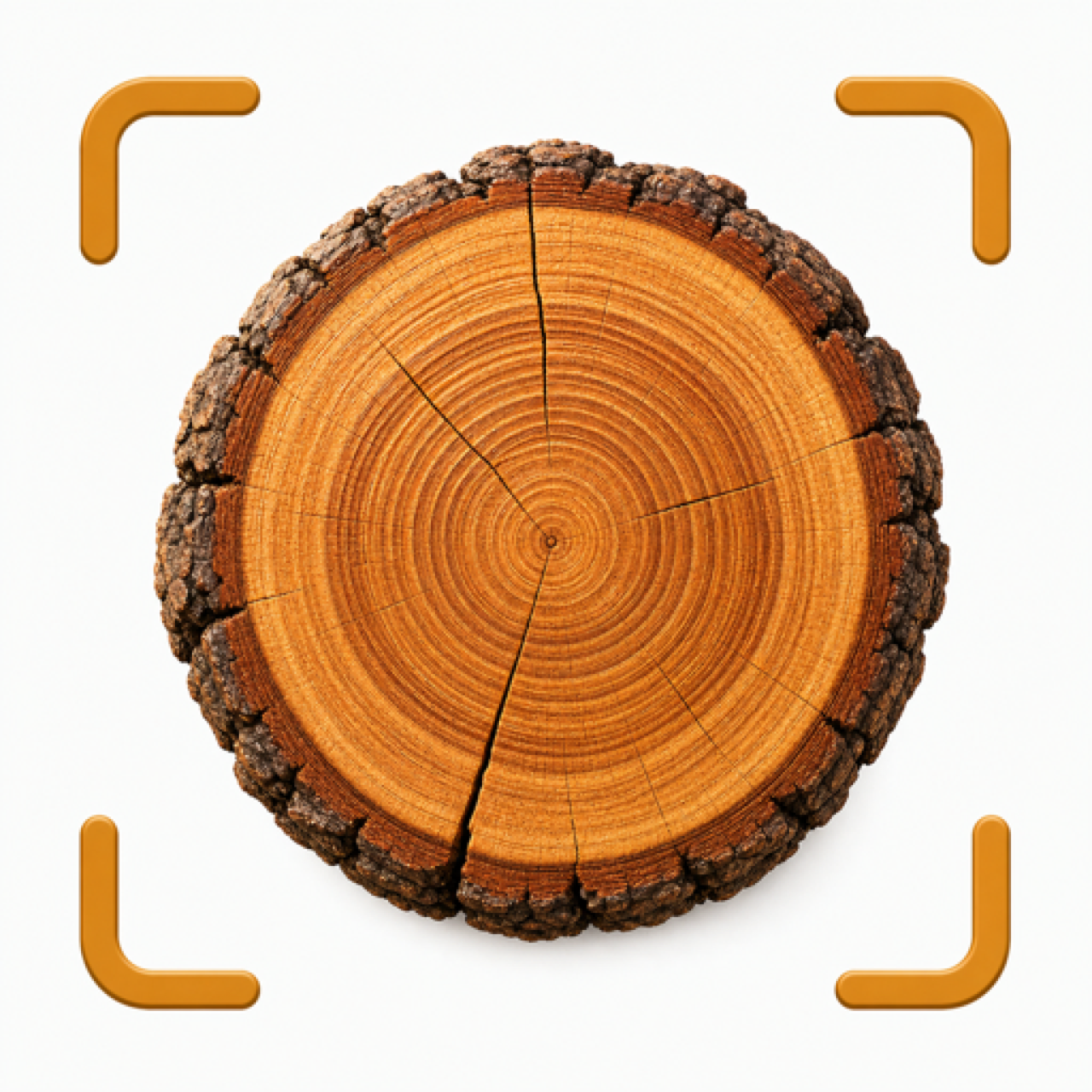
Heartwood golden to bright yellow, aging to a darker medium brown mainly from ultraviolet light exposure. Grain is straight, with a fine to medium texture and high natural luster. End grain: Ring porous; large to very large earlywood pores 2-3 pores wide, small latewood pores in clusters and tangential bands; tyloses extremely abundant; growth rings distinct; narrow to medium rays visible without a lens; parenchyma vasicentric, lozenge, and confluent.
Hardness and weight
Janka hardness 2,620 lbf (side hardness: the force needed to embed a 0.444-inch steel ball to half its diameter). Weight in the hand is one of the quickest checks: compare a piece of known size against a board you already know.
Osage Orange vs Black Locust
Osage orange is a brighter golden-yellow than black locust's greenish-yellow, and only osage orange releases a water-soluble yellow dye when its shavings are soaked in water (a quick field test); it is also extremely decay resistant, among the most rot-resistant woods in North America. The Black Locust page has its own details.
Smell, weight and other clues
No characteristic odor; shavings soaked in water release a water-soluble yellow dye, a distinguishing field test versus similar woods such as mulberry or black locust; sap has been reported to cause dermatitis.
Where you will meet it
Fence posts, dye, archery bows, musical instruments, turnings, and other small specialty wood items.
Working it
Difficult to work due to hardness and density, though reported to have little dulling effect on cutting edges; exceptionally stable with minimal seasonal movement; sap can cause dermatitis.
How to photograph it for identification
Photograph a freshly cut or sanded face in daylight, not a finished or stained surface, since stain hides color and finish flattens grain. Add a close-up of the end grain: cut a clean end, wet it or sand it to 220, and shoot from straight on; pore pattern and rays are the most reliable marks. Put a ruler in frame. The app suggests the likely species; confirm with the end grain and weight.
FAQ
How hard is Osage Orange?
Janka hardness 2,620 lbf. For comparison, Red Oak is about 1,290 lbf and Eastern White Pine about 380 lbf.
How do I tell Osage Orange from Black Locust?
Osage orange is a brighter golden-yellow than black locust's greenish-yellow, and only osage orange releases a water-soluble yellow dye when its shavings are soaked in water (a quick field test); it is also extremely decay resistant, among the most rot-resistant woods in North America.
Is Osage Orange a hardwood or a softwood?
Osage Orange is a hardwood: it comes from a broadleaf tree. Hardwood and softwood describe the kind of tree, not how hard the wood is; some hardwoods are softer than some softwoods.
What color is Osage Orange?
Heartwood golden to bright yellow, aging to a darker medium brown mainly from ultraviolet light exposure.
Related
Sources
Updated 2026-09-11.