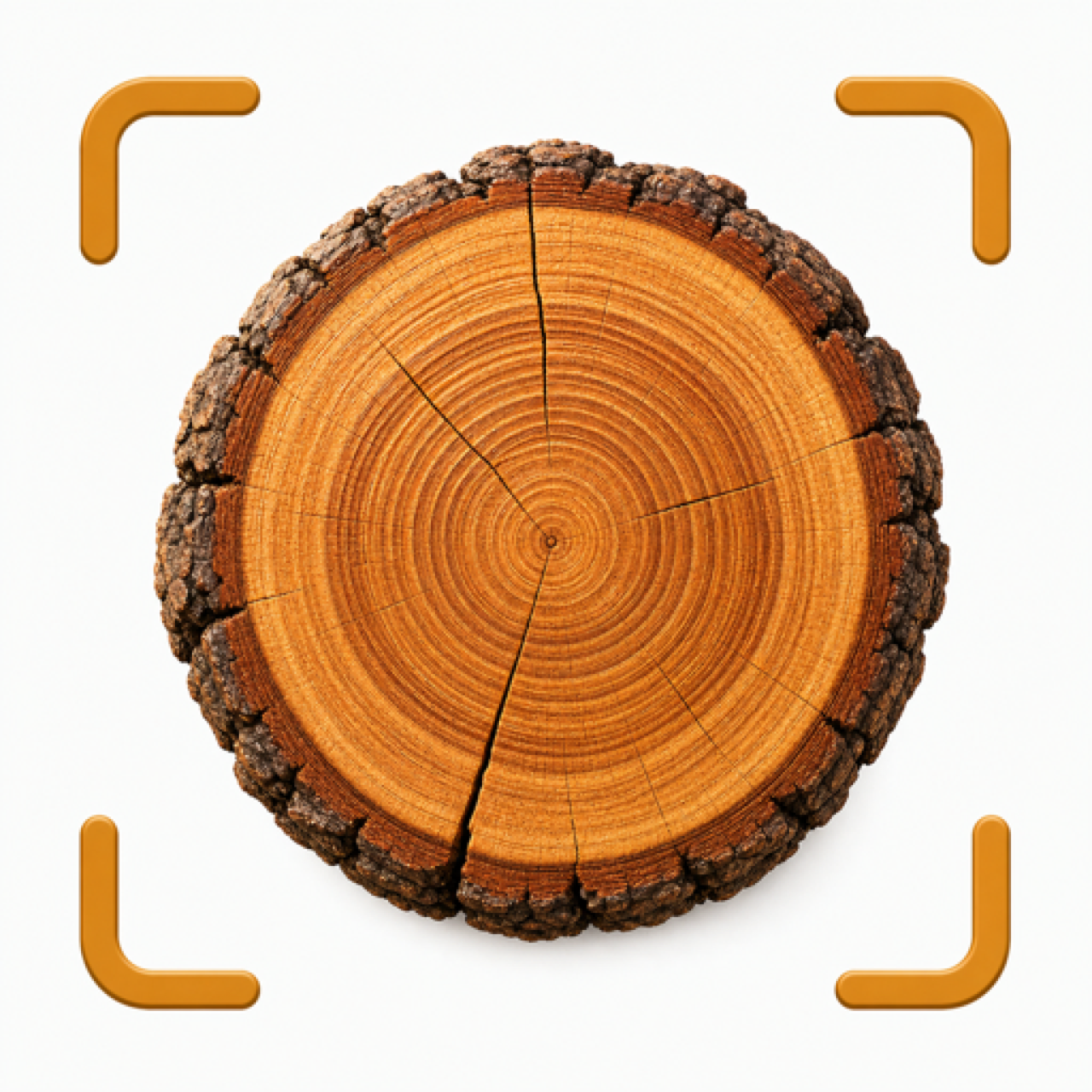
How to Identify Douglas-fir Wood (Pseudotsuga menziesii)
Douglas-fir, Pseudotsuga menziesii: color, grain, end grain, Janka hardness (710 lbf) and weight, and how to tell it from Southern Yellow Pine (Loblolly/Longleaf), quoted from the USDA Wood Handbook and The Wood Database.
At a glance
- Scientific name: Pseudotsuga menziesii
- Type: Softwood
- Origin: Western North America (Coast variety: Oregon and Washington west of the Cascades)
- Color: Usually a light brown color with a hint of red and/or yellow, with darker growth rings.
- Grain and texture: Grain generally straight or slightly wavy; medium to coarse texture with moderate natural luster.
- End grain: Small to medium resin canals, infrequent and variable in distribution; high contrast between lighter earlywood and darker latewood; abrupt earlywood-to-latewood transition; medium-large tracheids.
- Janka hardness: 710 lbf
- Specific gravity (12% MC): 0.48
- Other clue: Distinct, resinous odor when being worked; reported to cause skin irritation, nausea, giddiness, runny nose, and an increased likelihood of infected splinters.
What Douglas-fir looks like
Usually a light brown color with a hint of red and/or yellow, with darker growth rings. Grain generally straight or slightly wavy; medium to coarse texture with moderate natural luster. End grain: Small to medium resin canals, infrequent and variable in distribution; high contrast between lighter earlywood and darker latewood; abrupt earlywood-to-latewood transition; medium-large tracheids.
Hardness and weight
Janka hardness 710 lbf (side hardness: the force needed to embed a 0.444-inch steel ball to half its diameter). Specific gravity 0.48 at 12% moisture content, so a cubic foot weighs roughly 30 lb. Weight in the hand is one of the quickest checks: compare a piece of known size against a board you already know.
Douglas-fir vs Southern Yellow Pine (Loblolly/Longleaf)
Both show strong earlywood/latewood contrast, but Douglas-fir's resin canals are small-to-medium and infrequent/variable versus southern yellow pine's large, numerous, evenly distributed canals; Douglas-fir also grows in the West versus the Southeast for yellow pine. The Southern Yellow Pine (Loblolly/Longleaf) page has its own details.
Smell, weight and other clues
Distinct, resinous odor when being worked; reported to cause skin irritation, nausea, giddiness, runny nose, and an increased likelihood of infected splinters.
Where you will meet it
Veneer, plywood, and structural/construction lumber.
Working it
Typically machines well but has a moderate blunting effect on cutters; accepts stains, glues, and finishes well; reported to cause skin irritation, nausea, giddiness, runny nose, and increased infection risk from splinters.
How to photograph it for identification
Photograph a freshly cut or sanded face in daylight, not a finished or stained surface, since stain hides color and finish flattens grain. Add a close-up of the end grain: cut a clean end, wet it or sand it to 220, and shoot from straight on; pore pattern and rays are the most reliable marks. Put a ruler in frame. The app suggests the likely species; confirm with the end grain and weight.
FAQ
How hard is Douglas-fir?
Janka hardness 710 lbf. For comparison, Red Oak is about 1,290 lbf and Eastern White Pine about 380 lbf.
How do I tell Douglas-fir from Southern Yellow Pine (Loblolly/Longleaf)?
Both show strong earlywood/latewood contrast, but Douglas-fir's resin canals are small-to-medium and infrequent/variable versus southern yellow pine's large, numerous, evenly distributed canals; Douglas-fir also grows in the West versus the Southeast for yellow pine.
Is Douglas-fir a hardwood or a softwood?
Douglas-fir is a softwood: it comes from a conifer. The terms describe the kind of tree, not hardness.
What color is Douglas-fir?
Usually a light brown color with a hint of red and/or yellow, with darker growth rings.
Related
Sources
- https://www.wood-database.com/douglas-fir/
- https://www.fpl.fs.usda.gov/documnts/fplgtr/fplgtr190/chapter_05.pdf
Updated 2026-09-11.