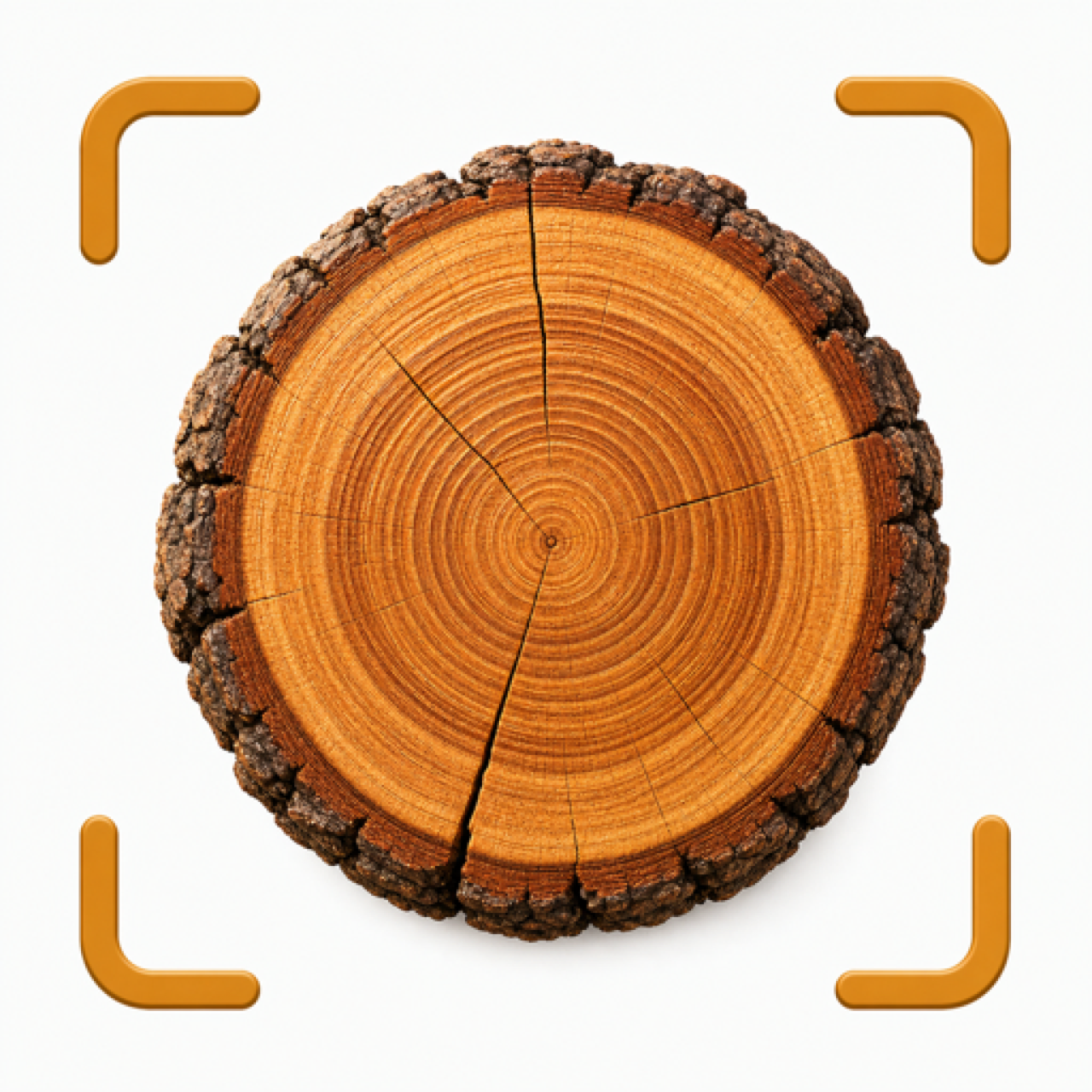
How to Identify Eastern Red Cedar (Aromatic) Wood (Juniperus virginiana)
Eastern Red Cedar (Aromatic), Juniperus virginiana: color, grain, end grain, Janka hardness (650 lbf) and weight, and how to tell it from Western Red Cedar, quoted from the USDA Wood Handbook and The Wood Database.
At a glance
- Scientific name: Juniperus virginiana
- Type: Softwood
- Origin: Eastern United States
- Color: Heartwood reddish or violet-brown; sapwood pale yellow, can appear as streaks/stripes throughout the heartwood.
- Grain and texture: Straight grain, usually with knots present; very fine, even texture.
- End grain: Resin canals absent; earlywood-to-latewood transition gradual; grain moderately uneven to moderately even; tracheid diameter small to very small; zonate (double-ring) parenchyma.
- Janka hardness: 650 lbf
- Specific gravity (12% MC): 0.47
- Other clue: Distinct and tell-tale scent; commonly used in closets and chests to repel moths and other insects; high silica content can dull cutters.
What Eastern Red Cedar (Aromatic) looks like
Heartwood reddish or violet-brown; sapwood pale yellow, can appear as streaks/stripes throughout the heartwood. Straight grain, usually with knots present; very fine, even texture. End grain: Resin canals absent; earlywood-to-latewood transition gradual; grain moderately uneven to moderately even; tracheid diameter small to very small; zonate (double-ring) parenchyma.
Hardness and weight
Janka hardness 650 lbf (side hardness: the force needed to embed a 0.444-inch steel ball to half its diameter). Specific gravity 0.47 at 12% moisture content, so a cubic foot weighs roughly 29 lb. Weight in the hand is one of the quickest checks: compare a piece of known size against a board you already know.
Eastern Red Cedar (Aromatic) vs Western Red Cedar
Eastern Redcedar (a juniper) has a violet-brown color with frequent knots and a very fine even texture versus Western Red Cedar's (a true cedar) coarser texture, more uniformly reddish-pink color, and lack of knots; Eastern Redcedar's moth-repellent scent is also distinctively stronger/sweeter. The Western Red Cedar page has its own details.
Smell, weight and other clues
Distinct and tell-tale scent; commonly used in closets and chests to repel moths and other insects; high silica content can dull cutters.
Where you will meet it
Fence posts, closet and chest linings, carvings, outdoor furniture, birdhouses, pencils, bows, and small wooden specialty items.
Working it
Easy to work notwithstanding knots or irregularities; high silica content can dull cutters; glues and finishes well, though often left unfinished to preserve aroma; reported to cause skin and respiratory irritation (uncommon).
How to photograph it for identification
Photograph a freshly cut or sanded face in daylight, not a finished or stained surface, since stain hides color and finish flattens grain. Add a close-up of the end grain: cut a clean end, wet it or sand it to 220, and shoot from straight on; pore pattern and rays are the most reliable marks. Put a ruler in frame. The app suggests the likely species; confirm with the end grain and weight.
FAQ
How hard is Eastern Red Cedar (Aromatic)?
Janka hardness 650 lbf. For comparison, Red Oak is about 1,290 lbf and Eastern White Pine about 380 lbf.
How do I tell Eastern Red Cedar (Aromatic) from Western Red Cedar?
Eastern Redcedar (a juniper) has a violet-brown color with frequent knots and a very fine even texture versus Western Red Cedar's (a true cedar) coarser texture, more uniformly reddish-pink color, and lack of knots; Eastern Redcedar's moth-repellent scent is also distinctively stronger/sweeter.
Is Eastern Red Cedar (Aromatic) a hardwood or a softwood?
Eastern Red Cedar (Aromatic) is a softwood: it comes from a conifer. The terms describe the kind of tree, not hardness.
What color is Eastern Red Cedar (Aromatic)?
Heartwood reddish or violet-brown; sapwood pale yellow, can appear as streaks/stripes throughout the heartwood.
Related
Sources
- https://www.wood-database.com/aromatic-red-cedar/
- https://www.fpl.fs.usda.gov/documnts/fplgtr/fplgtr190/chapter_05.pdf
Updated 2026-09-11.