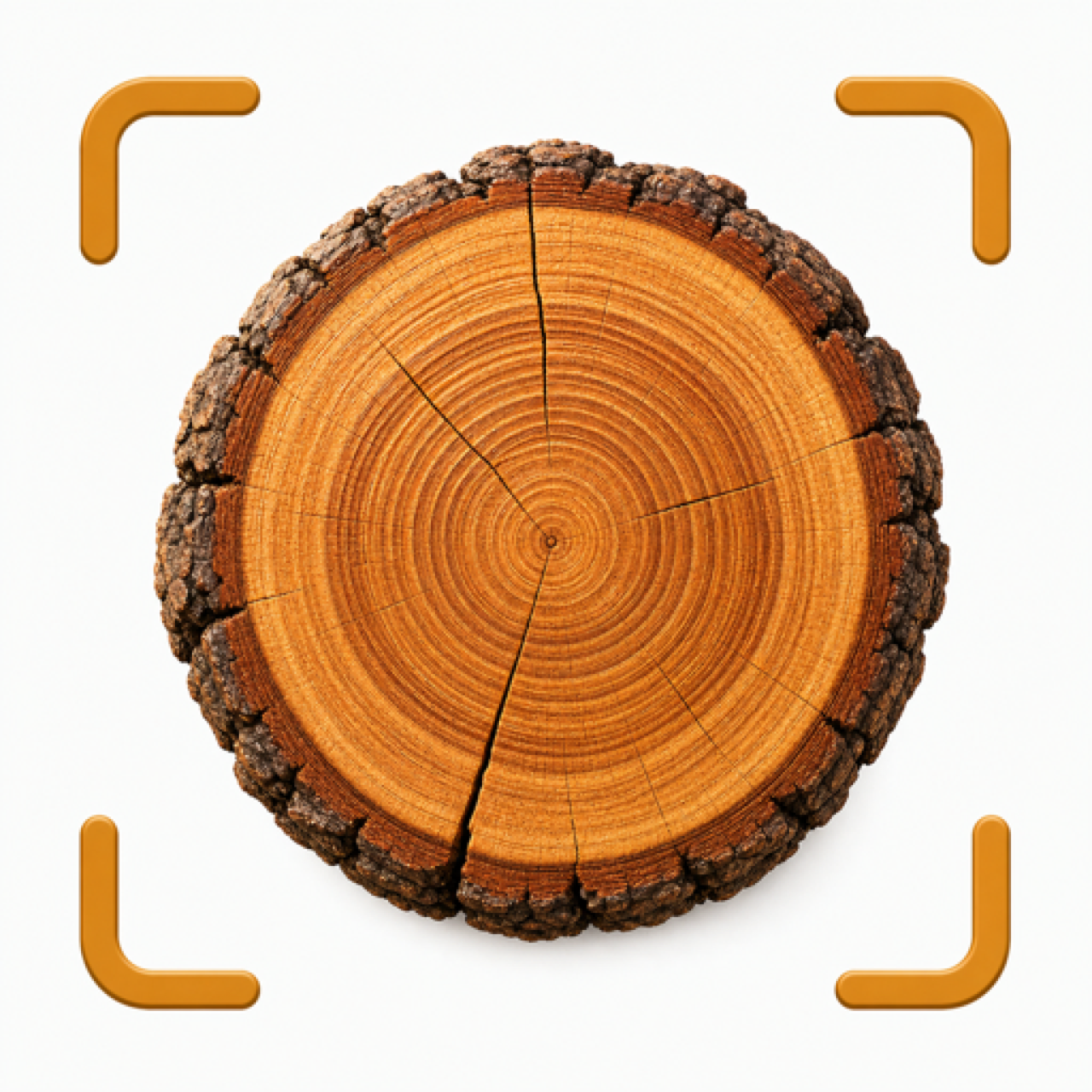
How to Identify Teak Wood (Tectona grandis)
Teak, Tectona grandis: color, grain, end grain, Janka hardness (1,000 lbf) and weight, and how to tell it from Iroko / Afrormosia, quoted from the USDA Wood Handbook and The Wood Database.
At a glance
- Scientific name: Tectona grandis
- Type: Hardwood
- Origin: Southeast Asia (native to Myanmar, India, Laos, Thailand; widely grown in plantations)
- Color: Heartwood golden or medium brown, darkening with age.
- Grain and texture: Grain straight, though occasionally wavy or interlocked; coarse, uneven texture with moderate to low natural luster.
- End grain: Ring porous or semi-ring-porous; single row of earlywood pores; vessels large to very large in earlywood, medium to large in latewood, few, with tyloses and whitish silica deposits common; parenchyma vasicentric and banded (very wide marginal band); rays medium width, visible without a lens.
- Janka hardness: 1,000 lbf
- Specific gravity (12% MC): 0.55
- Other clue: Leather-like scent when freshly milled; contains up to 1.4% silica, which has a pronounced blunting effect on cutting edges.
What Teak looks like
Heartwood golden or medium brown, darkening with age. Grain straight, though occasionally wavy or interlocked; coarse, uneven texture with moderate to low natural luster. End grain: Ring porous or semi-ring-porous; single row of earlywood pores; vessels large to very large in earlywood, medium to large in latewood, few, with tyloses and whitish silica deposits common; parenchyma vasicentric and banded (very wide marginal band); rays medium width, visible without a lens.
Hardness and weight
Janka hardness 1,000 lbf (side hardness: the force needed to embed a 0.444-inch steel ball to half its diameter). Specific gravity 0.55 at 12% moisture content, so a cubic foot weighs roughly 34 lb. Weight in the hand is one of the quickest checks: compare a piece of known size against a board you already know.
Teak vs Iroko / Afrormosia
Teak's whitish silica deposits and tyloses in the vessels, combined with its very wide marginal parenchyma band, distinguish it under magnification from similar-looking African woods like iroko and afrormosia, which are sometimes sold as 'teak substitutes.'
Smell, weight and other clues
Leather-like scent when freshly milled; contains up to 1.4% silica, which has a pronounced blunting effect on cutting edges.
Where you will meet it
Ship and boatbuilding, veneer, furniture, exterior construction, carving, turnings, and small wood objects.
Working it
Easy to work in nearly all regards, but its high silica content (up to 1.4%) has a pronounced blunting effect on cutting edges; reported to cause eye, skin, and respiratory irritation and other effects such as rash and asthma-like symptoms.
How to photograph it for identification
Photograph a freshly cut or sanded face in daylight, not a finished or stained surface, since stain hides color and finish flattens grain. Add a close-up of the end grain: cut a clean end, wet it or sand it to 220, and shoot from straight on; pore pattern and rays are the most reliable marks. Put a ruler in frame. The app suggests the likely species; confirm with the end grain and weight.
FAQ
How hard is Teak?
Janka hardness 1,000 lbf. For comparison, Red Oak is about 1,290 lbf and Eastern White Pine about 380 lbf.
How do I tell Teak from Iroko / Afrormosia?
Teak's whitish silica deposits and tyloses in the vessels, combined with its very wide marginal parenchyma band, distinguish it under magnification from similar-looking African woods like iroko and afrormosia, which are sometimes sold as 'teak substitutes.'
Is Teak a hardwood or a softwood?
Teak is a hardwood: it comes from a broadleaf tree. Hardwood and softwood describe the kind of tree, not how hard the wood is; some hardwoods are softer than some softwoods.
What color is Teak?
Heartwood golden or medium brown, darkening with age.
Related
Sources
- https://www.wood-database.com/teak/
- https://www.fpl.fs.usda.gov/documnts/fplgtr/fplgtr190/chapter_05.pdf
Updated 2026-09-11.