How to Identify Mahogany (Honduran/Genuine) Wood (Swietenia macrophylla)
Mahogany (Honduran/Genuine), Swietenia macrophylla: color, grain, end grain, Janka hardness (800 lbf) and weight, and how to tell it from Sapele, quoted from the USDA Wood Handbook and The Wood Database.
At a glance
- Scientific name: Swietenia macrophylla
- Type: Hardwood
- Origin: Central and South America (Mexico to Brazil, plantation-grown in Asia/Pacific)
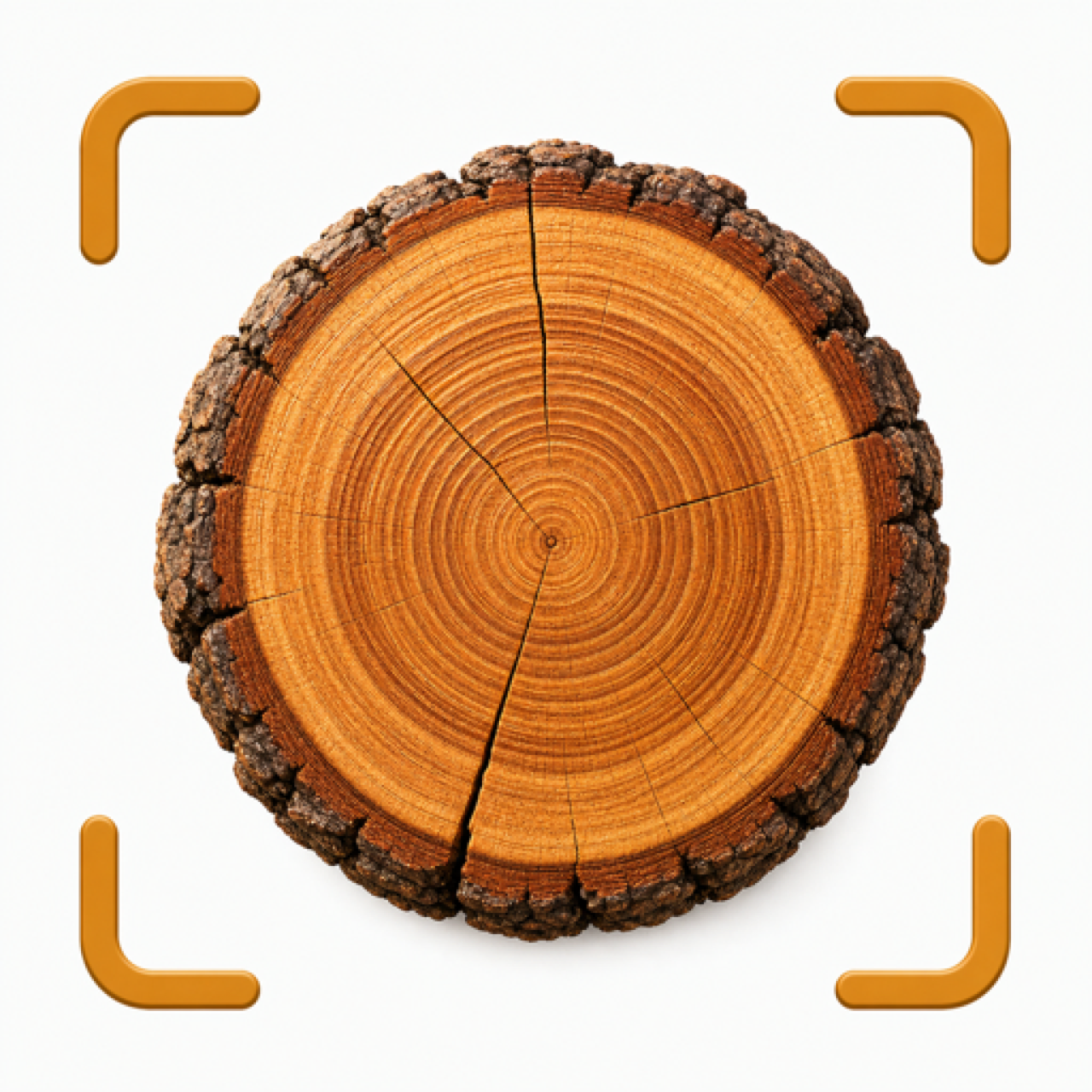
- Color: Heartwood varies from pale pinkish brown to darker reddish brown, darkening with age.
- Grain and texture: Grain can be straight, interlocked, irregular, or wavy; medium, uniform texture with moderate natural luster.
- End grain: Diffuse porous; growth rings usually distinct due to marginal parenchyma bands; vessels large, few, with occasional reddish-brown deposits; parenchyma vasicentric and banded (marginal); rays medium width, generally not visible without magnification; ripple marks present on flatsawn surfaces.
- Janka hardness: 800 lbf
- Specific gravity (12% MC): 0.45
- Other clue: No characteristic odor; a key anatomical tell is that Swietenia (true mahogany) species have marginal parenchyma bands, whereas African Khaya-genus mahogany lacks them.
What Mahogany (Honduran/Genuine) looks like
Heartwood varies from pale pinkish brown to darker reddish brown, darkening with age. Grain can be straight, interlocked, irregular, or wavy; medium, uniform texture with moderate natural luster. End grain: Diffuse porous; growth rings usually distinct due to marginal parenchyma bands; vessels large, few, with occasional reddish-brown deposits; parenchyma vasicentric and banded (marginal); rays medium width, generally not visible without magnification; ripple marks present on flatsawn surfaces.
Hardness and weight
Janka hardness 800 lbf (side hardness: the force needed to embed a 0.444-inch steel ball to half its diameter). Specific gravity 0.45 at 12% moisture content, so a cubic foot weighs roughly 28 lb. Weight in the hand is one of the quickest checks: compare a piece of known size against a board you already know.
Mahogany (Honduran/Genuine) vs Sapele
Sapele is often sold as a mahogany substitute ('sapele mahogany') and shares a similar reddish-brown color, but it is notably harder (1,510 lbf vs mahogany's 800 lbf), has interlocked grain producing ribbon-stripe figure, and gives off a distinct cedar-like scent while being worked, unlike mahogany's lack of characteristic odor. The Sapele page has its own details.
Smell, weight and other clues
No characteristic odor; a key anatomical tell is that Swietenia (true mahogany) species have marginal parenchyma bands, whereas African Khaya-genus mahogany lacks them.
Where you will meet it
Furniture, cabinetry, turned objects, veneer, musical instruments, boatbuilding, and carving.
Working it
Typically very easy to work with hand and machine tools; figured sections may tear out; sands, turns, glues, stains, and finishes well; reported to cause eye/skin/respiratory irritation and, less commonly, boils, asthma-like symptoms, nausea, or hypersensitivity pneumonitis; listed under CITES Appendix II.
How to photograph it for identification
Photograph a freshly cut or sanded face in daylight, not a finished or stained surface, since stain hides color and finish flattens grain. Add a close-up of the end grain: cut a clean end, wet it or sand it to 220, and shoot from straight on; pore pattern and rays are the most reliable marks. Put a ruler in frame. The app suggests the likely species; confirm with the end grain and weight.
FAQ
How hard is Mahogany (Honduran/Genuine)?
Janka hardness 800 lbf. For comparison, Red Oak is about 1,290 lbf and Eastern White Pine about 380 lbf.
How do I tell Mahogany (Honduran/Genuine) from Sapele?
Sapele is often sold as a mahogany substitute ('sapele mahogany') and shares a similar reddish-brown color, but it is notably harder (1,510 lbf vs mahogany's 800 lbf), has interlocked grain producing ribbon-stripe figure, and gives off a distinct cedar-like scent while being worked, unlike mahogany's lack of characteristic odor.
Is Mahogany (Honduran/Genuine) a hardwood or a softwood?
Mahogany (Honduran/Genuine) is a hardwood: it comes from a broadleaf tree. Hardwood and softwood describe the kind of tree, not how hard the wood is; some hardwoods are softer than some softwoods.
What color is Mahogany (Honduran/Genuine)?
Heartwood varies from pale pinkish brown to darker reddish brown, darkening with age.
Related
Sources
- https://www.wood-database.com/honduran-mahogany/
- https://www.fpl.fs.usda.gov/documnts/fplgtr/fplgtr190/chapter_05.pdf
- https://www.wood-database.com/sapele/
Updated 2026-09-11.